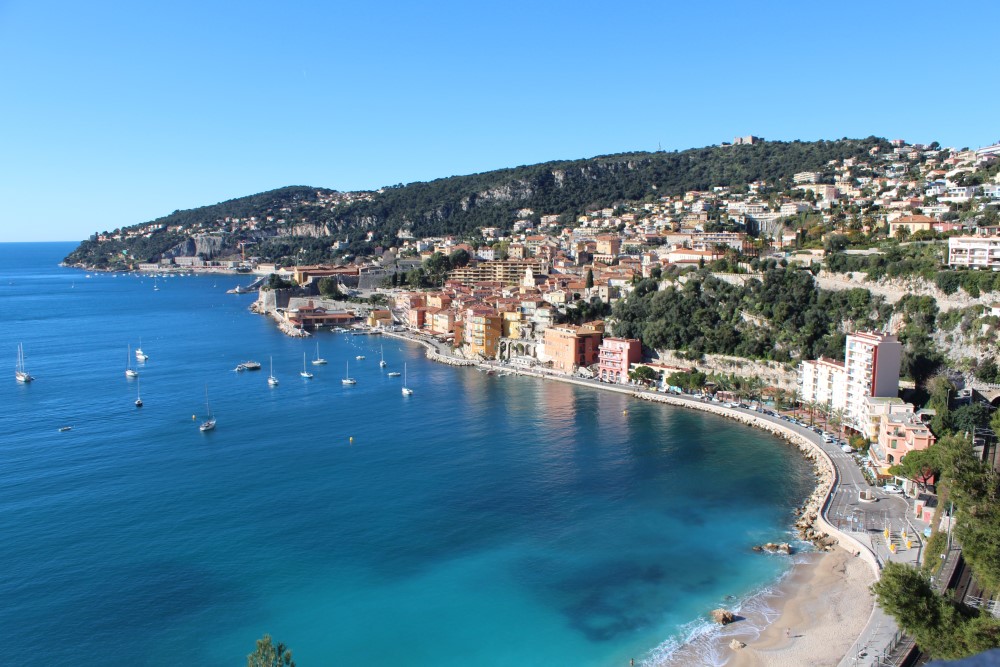
Credits to Valentina Rossoni
Tampa is a vibrant city located on the west coast of Florida. Known for its beautiful beaches, bustling downtown, and rich cultural history, Tampa is a popular destination for both tourists and residents alike. The city has a long and fascinating history, dating back thousands of years. In this article, we will explore the origins of Tampa and its establishment as a city.
The history of Tampa dates back to prehistoric times. The area was first inhabited by indigenous peoples, including the Tocobaga and Calusa tribes. These tribes lived in the area for thousands of years before the arrival of Europeans.
Here is just a little background about these tribes…
The Tocobaga and Calusa tribes were two of the most prominent indigenous peoples to inhabit the Tampa Bay area. The Tocobaga tribe was primarily located in what is now downtown St. Petersburg, while the Calusa tribe was located further south in the Everglades region.
The Tocobaga were skilled fishermen and traders, and they built large shell mounds along the shores of Tampa Bay. These mounds served as both burial sites and gathering places for the tribe. The Tocobaga were also known for their distinctive pottery, which was decorated with intricate designs and patterns.
The Calusa, on the other hand, were a powerful tribe that controlled much of the southwest coast of Florida. They were skilled warriors and traders, and they built elaborate canals and waterways to navigate the shallow waters of the Everglades. The Calusa were also known for their complex social and political systems, which included chiefs and councilors.
Both the Tocobaga and Calusa were greatly impacted by the arrival of Europeans in the region. The Tocobaga were decimated by diseases brought by the Spanish, while the Calusa were forced to abandon their lands and way of life due to conflicts with European settlers.
Today, the legacy of the Tocobaga and Calusa tribes can be seen in the numerous archaeological sites and artifacts found throughout the Tampa Bay area.
Juan Ponce de Leon
In 1513, Spanish explorer Juan Ponce de León became the first European to set foot in what is now Tampa. He named the area “La Bahia de Espiritu Santo,” or “The Bay of the Holy Spirit.” However, it would be several decades before any significant European settlement took place in the area.
In the late 1700s, Florida was under Spanish rule, and Tampa was still primarily inhabited by indigenous peoples. However, in 1821, Florida was ceded to the United States, and American settlers began to move into the area.
One of the earliest American settlers in the Tampa area was John Jackson. In 1824, he established a trading post on the Hillsborough River, which would later become the site of the city of Tampa. Other settlers soon followed, and a small community began to take shape.
In 1842, Fort Brooke was established in Tampa. The fort was named after General John R. Brooke, who was the commander of United States troops in Florida at the time. The fort was built to protect American settlers in the area from attacks by Native Americans and pirates.
The presence of Fort Brooke helped to spur the growth of Tampa as a town. The fort provided security for settlers and also served as a center of commerce. By the mid-1800s, Tampa had become a thriving port town, with ships arriving regularly to trade goods.
In 1855, the Florida Legislature officially incorporated the town of Tampa. At the time, the town had a population of around 800 people. The first mayor of Tampa was Judge Joseph B. Lancaster.
Throughout the late 1800s, Tampa continued to grow and develop. In 1885, Henry B. Plant built the Tampa Bay Hotel, which became a popular destination for wealthy tourists. The hotel helped to put Tampa on the map as a tourist destination and also brought new industries to the area.
In 1891, the cigar industry arrived in Tampa. Cuban immigrants brought with them the art of cigar-making, and soon Tampa became known as the “Cigar City.” The cigar industry provided jobs for thousands of people and helped to shape the city’s culture.
By the turn of the century, Tampa had become a major city in Florida. The population had grown to over 15,000 people, and the city was home to a variety of industries, including shipping, tourism, and cigar-making.
In 1907, Tampa was devastated by a massive fire that destroyed much of the downtown area. However, the city quickly recovered, and new buildings were constructed in the aftermath of the fire.
In 1953, the city of Tampa was consolidated with Hillsborough County, and the new government was formed. The consolidation helped to streamline government services, 24/7 emergency lockouts and provided a more efficient system for managing the city and county.
Throughout the latter half of the 20th century, Tampa continued to grow and evolve. New industries emerged, including healthcare, finance, and technology. The city also underwent significant urban renewal, with new parks, museums, and public spaces being created.
Today, Tampa is a thriving city with a diverse population and a rich cultural history. The city is home to numerous museums, parks, and attractions, including the Tampa Bay History Center, the Florida Aquarium, and Busch Gardens amusement park. Tampa is also known for its sports teams, including the Tampa Bay Buccaneers football team and the Tampa Bay Lightning hockey team.
In recent years, Tampa has experienced significant economic growth and development. The city has attracted new businesses and industries, including tech startups and biotech companies. Tampa is also home to several major universities and research institutions, including the University of South Florida and Moffitt Cancer Center.
Tampa has a rich and fascinating history that dates back thousands of years. The city was first inhabited by indigenous peoples and was later settled by European explorers and American pioneers. The establishment of Fort Brooke helped to spur the growth of Tampa as a town, and the arrival of the cigar industry helped to shape the city’s culture. Today, Tampa is a thriving city with a diverse population and a strong economy. Its rich history is evident throughout the city, from the historic buildings in Ybor City to the numerous museums and attractions.
