Tampa, Florida, is a city that today buzzes with life—its lively waterfront, rich cultural fabric, and flourishing economy make it a standout metropolis. Yet, the roots of Tampa’s growth stretch back to a simpler time, when its geography alone set the stage for its emergence. Tampa’s location along the western coast of Florida was more than a spot on a map; it was the key to its early development and prosperity.
This article explores how Tampa’s natural setting—its deep harbor, river access, and connections to inland areas—paved the way for its rise from a modest settlement to a vital economic and cultural hub.
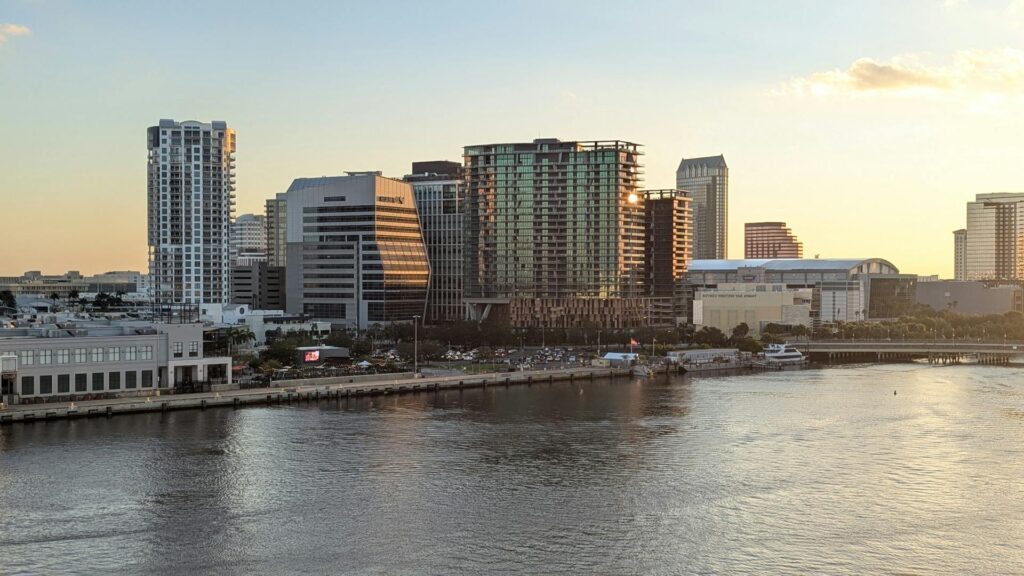
Tampa Bay: A Harbor Like No Other
The heart of Tampa’s early appeal lies in Tampa Bay, a vast and naturally sheltered harbor. Spanning hundreds of square miles, Tampa Bay offers deep, calm waters that provided a safe refuge for ships navigating the sometimes rough waters of the Gulf of Mexico. Unlike many other coastal regions that suffered from shallow or exposed shorelines, Tampa’s bay allowed large vessels to dock safely all year round.
This unique harbor made Tampa an essential stopover on maritime routes. Ships coming from the Caribbean, Mexico, or even further afield found Tampa Bay a natural gateway, linking sea travel with the growing settlements inland.
Early Visitors and the Foundation of Settlement
Before Tampa became a city, it was home to Native American tribes who thrived on the bay’s rich natural resources. The Tocobaga people, among others, fished and hunted in the area for centuries.
European explorers arrived in the early 1500s, with Spanish expeditions like those led by Pánfilo de Narváez and Hernando de Soto landing near the bay. Although these early explorers recognized the bay’s potential, permanent settlements were slow to follow. It wasn’t until the 19th century, after Florida became part of the United States, that Tampa’s location began to attract sustained development.
In 1824, the U.S. Army established Fort Brooke near the mouth of the Hillsborough River. This fort was Tampa’s first permanent settlement and provided security in a region that was still wild and often contested. Fort Brooke’s presence gave settlers the confidence to establish homes and businesses nearby, marking the start of Tampa’s transformation.
A Gateway to Florida’s Interior
Tampa’s value extended beyond the sea. The Hillsborough River, emptying into Tampa Bay, was a natural conduit between the coast and Florida’s interior lands. This river was an important route for moving goods—such as cattle, timber, and crops—from inland areas to the port.
This connection allowed Tampa to serve as a critical link in the state’s developing economy. Settlers and merchants could transport products to and from Tampa, making the city an indispensable trade hub. Tampa was not just a coastal city but a gateway where land and sea routes met.
The Railroad: Connecting Tampa to the Nation
While Tampa’s natural features provided a strong foundation, it was the arrival of the railroad that truly accelerated the city’s growth. In 1884, Henry B. Plant’s South Florida Railroad connected Tampa to the national rail network, linking it directly to cities across the country.
This connection dramatically increased the movement of goods and people. Agricultural products and cattle could quickly reach Tampa’s port, while imported goods and immigrants could move into the interior more easily. The railroad made Tampa accessible and attractive, fueling the city’s industrial growth and population boom.
The Cigar Industry and Cultural Growth
Tampa’s location also played a vital role in the rise of its cigar industry, which became a hallmark of the city’s economy and identity. Proximity to Cuba and other Caribbean islands made Tampa a natural destination for Cuban immigrants fleeing political unrest. They brought with them their cigar-making skills, and Tampa soon developed a thriving cigar manufacturing sector.
Tampa’s waterfront location facilitated the import of tobacco leaves and the export of finished cigars. The neighborhood of Ybor City grew around these factories, becoming a melting pot of cultures including Cuban, Spanish, and Italian communities. This industry not only boosted the economy but also enriched Tampa’s cultural landscape.
Military Importance: Tampa in the Spanish-American War
Tampa’s strategic value extended to military affairs during the Spanish-American War in 1898. The city became the main embarkation point for U.S. troops heading to Cuba, just 90 miles across the Gulf.
Thanks to its deep harbor and rail links, Tampa efficiently handled the movement of soldiers and supplies. This military activity brought new infrastructure and economic growth, helping the city gain national recognition and laying the groundwork for future expansion.
How Location Laid the Groundwork for Tampa’s Rise
Tampa’s early growth story is a testament to how geography can shape a city’s destiny. Its deep, sheltered harbor, river access, and rail connections made it a vital hub for trade, immigration, and industry. These factors combined to turn Tampa from a military outpost into a thriving port city with a rich cultural heritage—now protected by modern infrastructure and services, including trusted locksmith professionals who help secure the city’s homes and businesses.
Today, Tampa’s continued success owes much to the natural and strategic advantages that sparked its initial growth nearly two centuries ago, proving that location truly matters.
Rewrite the above content so that it is not detected as AI content by AI content detectors
